Quantrex Quantrex AcademyJEE · NEET · NDA PYQs with solutions Open app
NEET 2013
Exam
NEET
Year
2013
Subject
Botany
Chapter
Morphology of Flowering Plants

NEET 2013 · Botany · Morphology of Flowering Plants

Inflorescence is racemose in:

Inflorescence is racemose in:Inflorescence is racemose in:Inflorescence is racemose in:Inflorescence is racemose in:Inflorescence is racemose in:

Options

  1. Abrinjal
  2. Btulip
  3. Caloe
  4. Dsoyabean.

Correct answer

D. soyabean.

Step-by-step solution

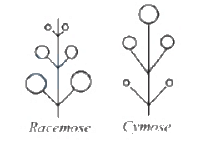
Soyabean belongs to Fabaceae, which shows racemose inflorescence. Brinjal belongs to Solanaceae, which shows cymose inflorescence. Aloe and tulip belongs to Liliaceae family with cymose inflorescence.  Related Theory \text{ Related Theory }Inflorescence is racemose in:
Inflorescence is racemose in:
Practice Morphology of Flowering Plants on Quantrex Academy →

More from Morphology of Flowering Plants

Which of the following are characteristic features of Solanaceae family ? (a) Flowers are… NEET 2026Phyllotaxy is the pattern of arrangement of __________. NEET 2026In racemose inflorescence, ____________. NEET 2026Match List I with List II : List I (Placentation) List II (Example) A. Marginal I.… NEET 2026In angiosperms, root hairs arise from which one of the following regions of the root ? NEET 2026Match List-I with List-II . List-I List-II A. Marginal placentation I. Argemone B. Axile… NEET 2026Which of the following floral formula is the correct floral formula of Solanaceae family ? NEET 2026Given below are two statements: Statement I: In a floral formula stands for zygomorphic… NEET 2025 Full Morphology of Flowering Plants list All NEET PYQs